
Drunk and Disorderly
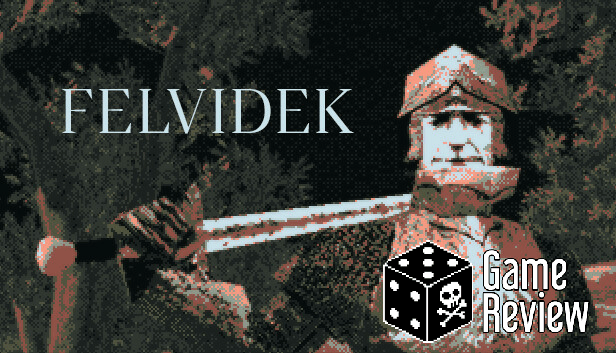
It’s been said that RPG Maker has been going through a renaissance, but good games never stopped coming out, no matter what engine snobs will tell you. It feels like a year doesn’t go by without at least a few notable releases, most of which have art styles that’ll blow your mind. The latest of these is Felvidek, a hand-drawn trip to Slovakia that left me equal parts impressed and dazed.

To live in 15th century Europe is to suffer. There are ottomans, hussites, and cultists aplenty, and the closest thing to a decent meal most people can get ahold of is a bucket of sour cream. You play as a knight named Pavol, a man as perpetually pickled as he is done with everyone’s shit. Also his wife has just left him. His lord sends him to look into a nearby fire, and everything snowballs out of control from there.
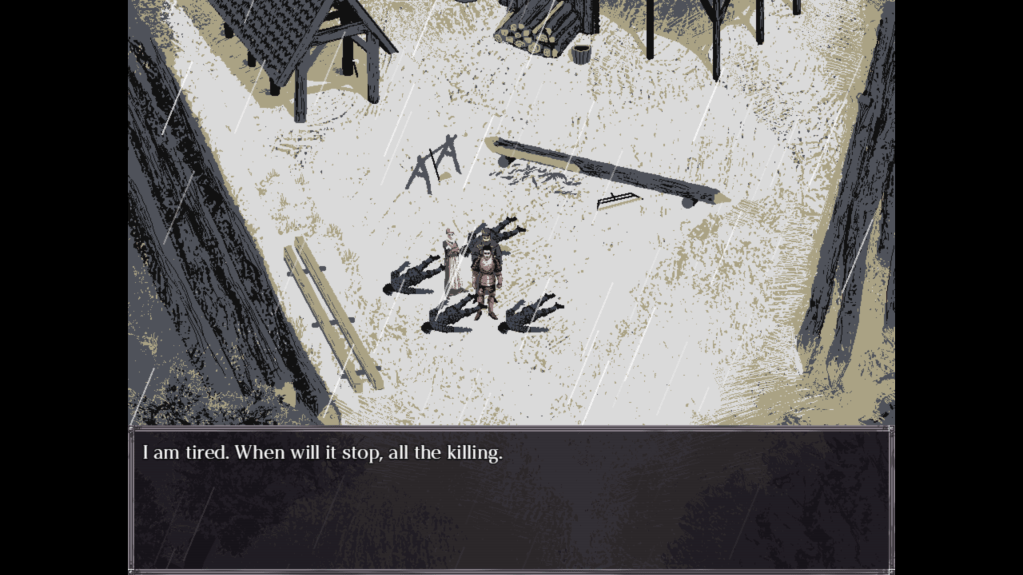
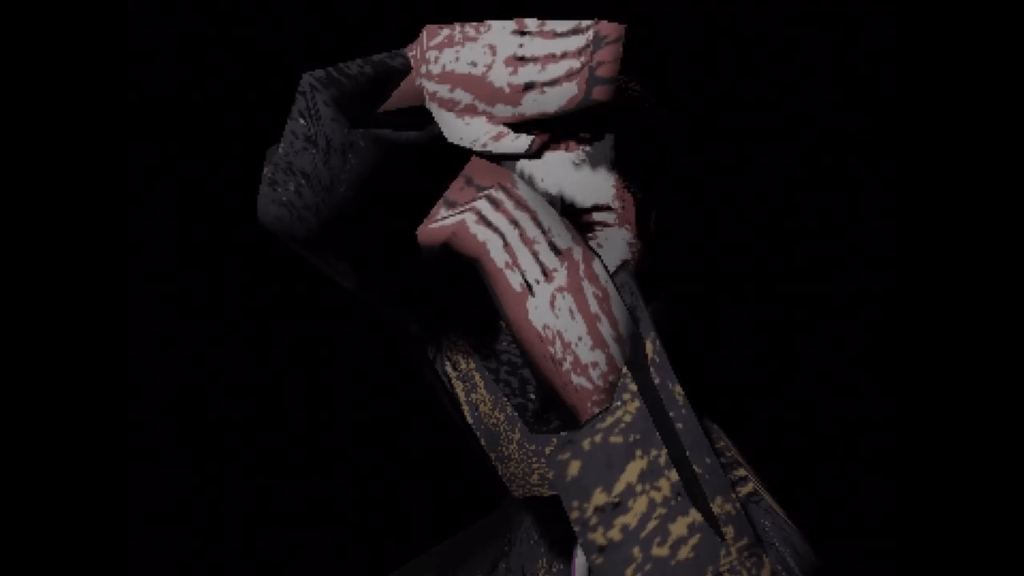
I have to take a moment to go full game reviewer and talk presentation, because it’s undoubtedly the game’s strongest category. The art style is incredibly striking at all times whether it’s in the overworld, fights, or cutscenes. Battle animations are a standout, with wild first-person Hylics-esque animations depicting chugging an entire bottle of plum wine or challenging an opponent to parry a musket round. There’s no point where the game ever doesn’t look phenomenal, and I can only imagine how much work it took to handle the tile sets in this engine.
Visuals are only half the story. Felvidek’s soundtrack is, as of right now, my favorite of 2024. The OST was composed entirely by Marcel Gidote’s Holy Crab, and I haven’t encountered a game soundtrack that’s left me so impressed in some time. From the very moment you hit the title screen you’re greeted with haunting horns and a drumline that doesn’t quit. Battles often break out with a shout and guitars that sit somewhere between surf and psychedelic, meaning those that don’t stand out even more. It’s impossible to pick a “favorite” track but I have a particular fondness for Krčma, which feels like it becomes entirely different songs the longer it goes on but never loses its playful spirit. I won’t lie, a major motivation to finish this game came from just wanting to hear every piece of music on offer. Even if you don’t play this you should listen to it. Bangers, all. You may also notice some similar names between the bandmates and the game’s cast, which I’m sure is just a coincidence.
Felvidek’s writing is a bizarre mix of tones, influences, and results that I dare not spoil. The dialogue is generally comedic, and often even laugh out loud funny as characters say the most out of pocket shit, but its plot seems completely unaware of this. While there are moments where the English translation feels like it’s missing some steps it’s never more than mildly confusing and I never found it had a negative impact. Admittedly while said plot takes itself seriously it’s also fairly skeletal, largely existing to take you from setpiece to setpiece, horrible event to horrible event. It also shuttles you into fights regularly, and this is the part where the review takes a turn.

I won’t mince words: the battles suck. They look and sound great, as I mentioned prior, but the gameplay here is awful. I’m not a turn-based combat apologist because I don’t believe apologies are necessary when there are so many good examples. All ATB or timing-based systems aside, games like Lisa, Brutal Orchestra, Small Saga, and hell even Fear & Hunger 1 & 2 manage to accomplish a ton within their frameworks. Felvidek’s most unique mechanic is its use of Tools as a secondary resources (as opposed to MP/spells), which are a bit more difficult to restore in battle than in most games. Other than that it’s got nothing going on. No levels, no builds, no strategy. You either have enough resources to win the fight, or you don’t and you need to load a save to set yourself up a bit better. It’s the weakest of weak sauces, the exact kind of system that JRPG-haters complain about, and in this case it’s completely justifiable. Fights are frequent, though sometimes skippable, and you’ll find yourself wishing that even more were.
This makes the experience of actually playing the game genuinely bizarre at points. I ventured through increasingly unhinged interactions, wild locations, and increasing stakes as the characters lost their grip on everything around them, and yet when situations escalated to violence and the music started to pop off I often met it with a groan if my tools were anything less than full. Eventually, thanks in part to the game’s generous amounts of side content and rewards, I had enough money to keep myself flush with resources. This trivialized the combat for the otherwise phenomenal final area, but also significantly increased my enjoyment after a rough second act that was starting to lose me. I can’t say the game truly stuck the landing, but at least it let me sneak a crash pad under it before hitting the pavement before Pavol lost his smile.
Felvidek is as awkward as a third intervention and left me with the same sense of bittersweet positivity. Its wonky qualities aren’t just little things; they’re core to its identity and made with intent, but boy are they uneven. Despite this it managed to impress me enough to leave an overall positive impression as well as serious respect for Jozef Pavelka. If this is his debut effort, I can only imagine what we’ll be in for if and when he opts to grace us with another game. Fairweather RPG Maker fans look elsewhere, this one’s for us freaks.
 Reviews as Fair as a Die Roll